The Traditional Portrait
The Traditional Portrait · Adam Smith Square · 201913 frames · No. 22
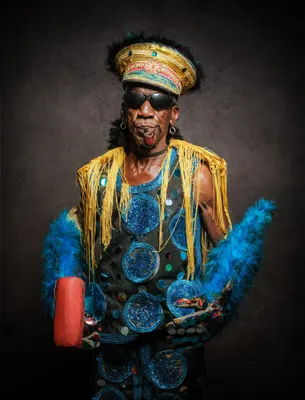
No. 22
Adam Smith Square · 2019 · 13 plates
Portraits of the portrayal: the stillness inside the costume, the knowledge inside the character.
Carnival is the most public act in Trinidad. The mas is made to be seen loud, costumed, moving through the streets in front of thousands.
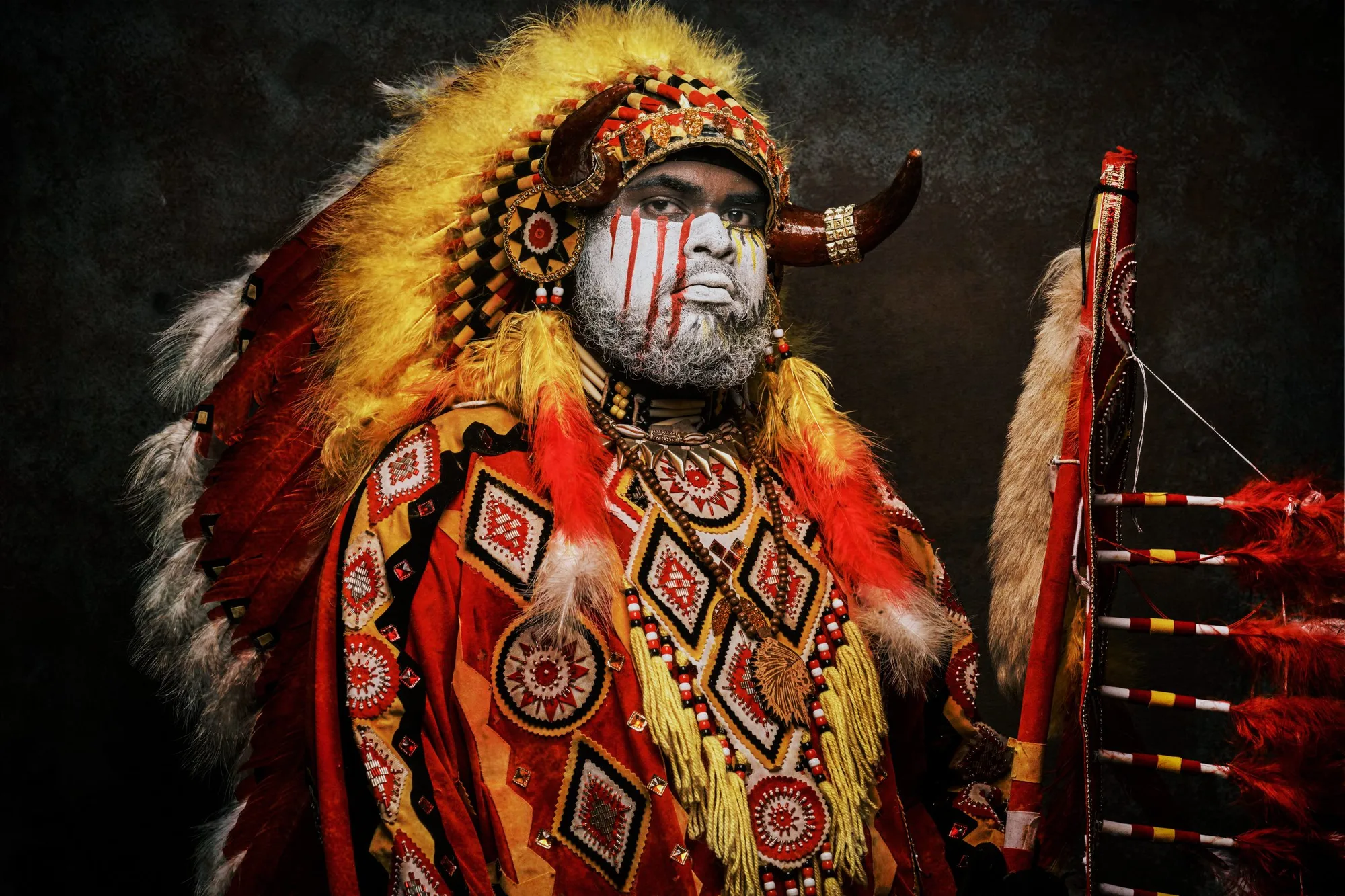 The Traditional Portrait · Adam Smith Square · 2019 · Pl. 01/13 · p. 347
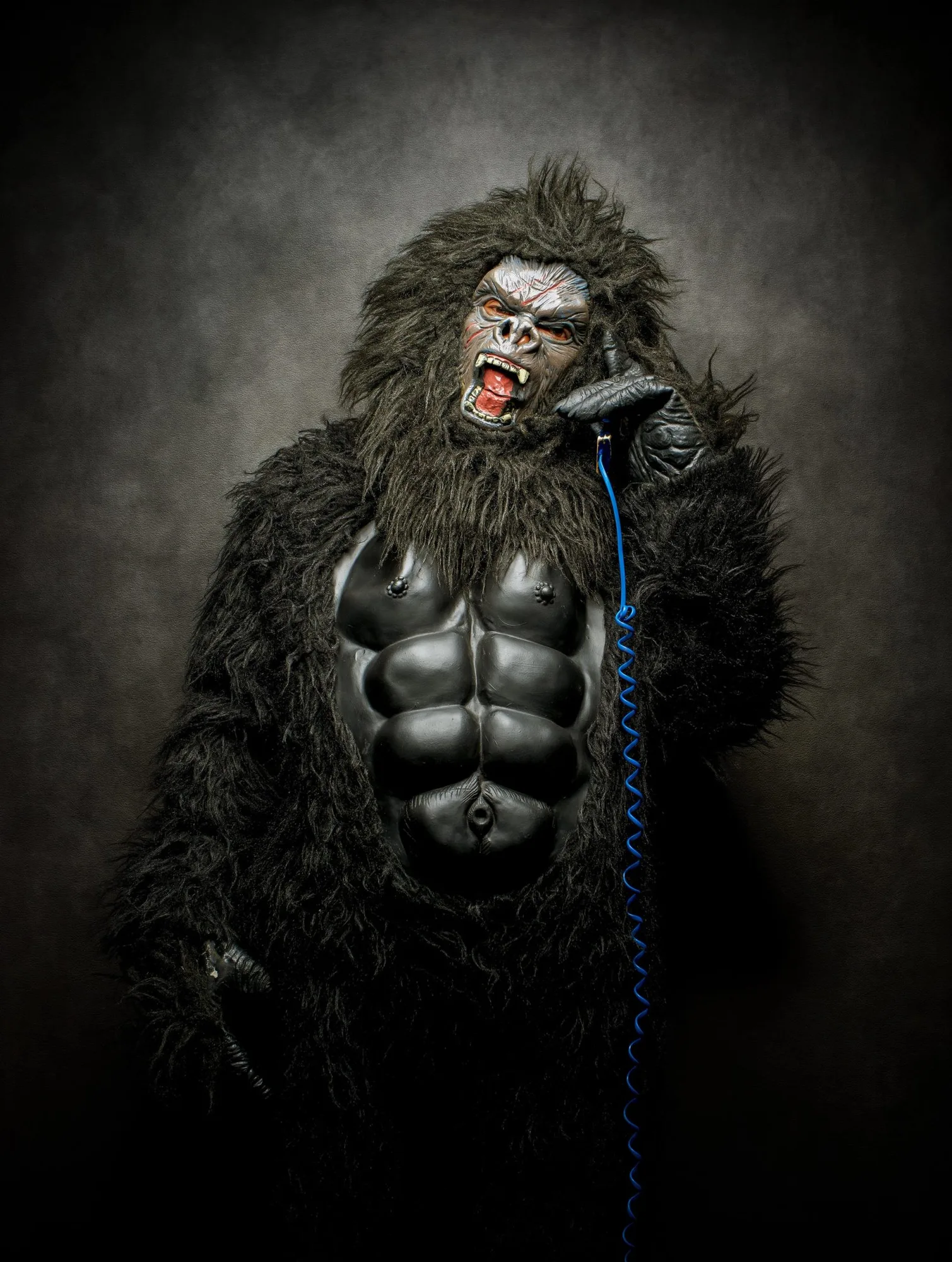 The Traditional Portrait · Adam Smith Square · 2019 · Pl. 02/13 · p. 348
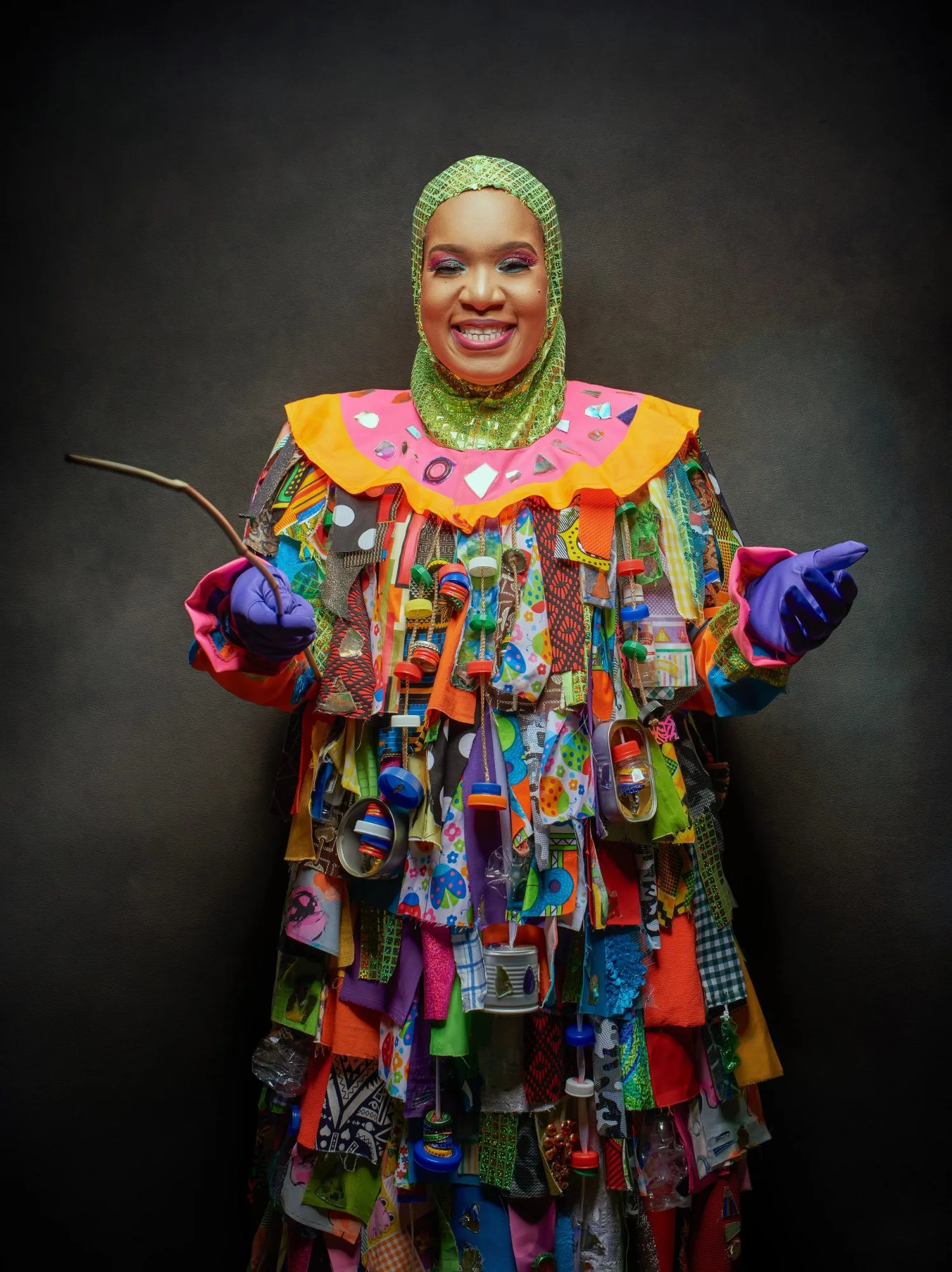 The Traditional Portrait · Adam Smith Square · 2019 · Pl. 03/13 · p. 349
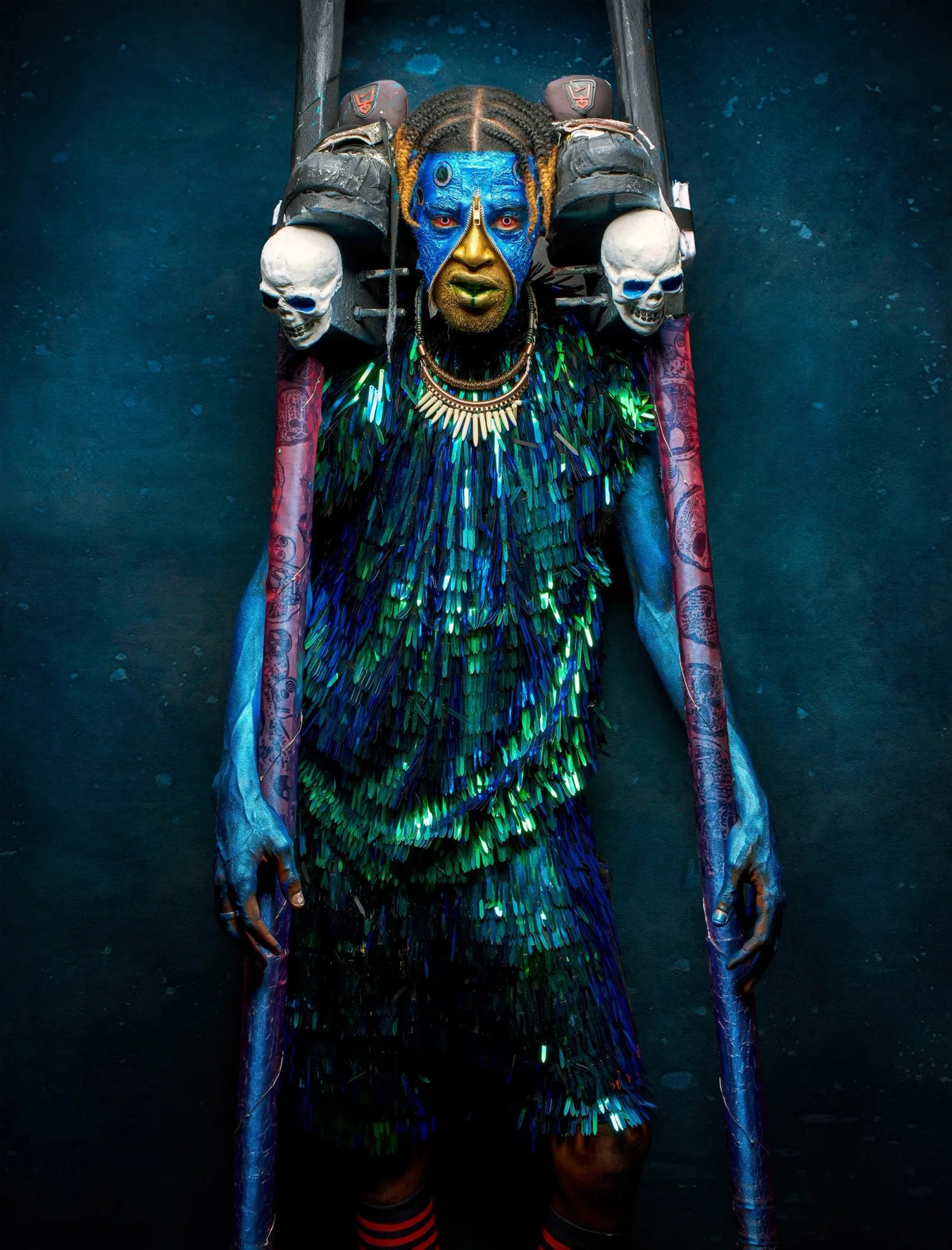 The Traditional Portrait · Adam Smith Square · 2019 · Pl. 04/13 · p. 350
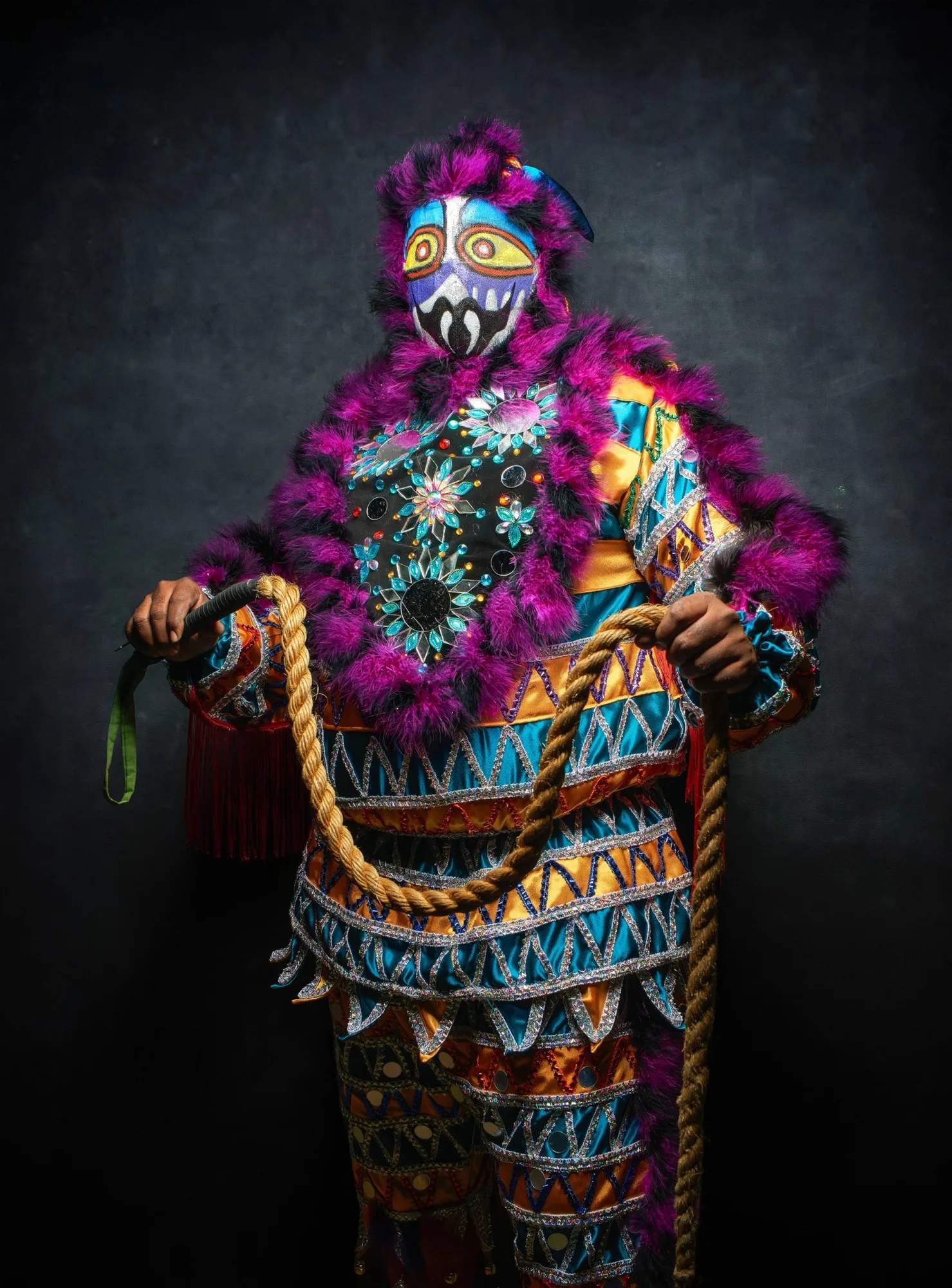 The Traditional Portrait · Adam Smith Square · 2019 · Pl. 05/13 · p. 351
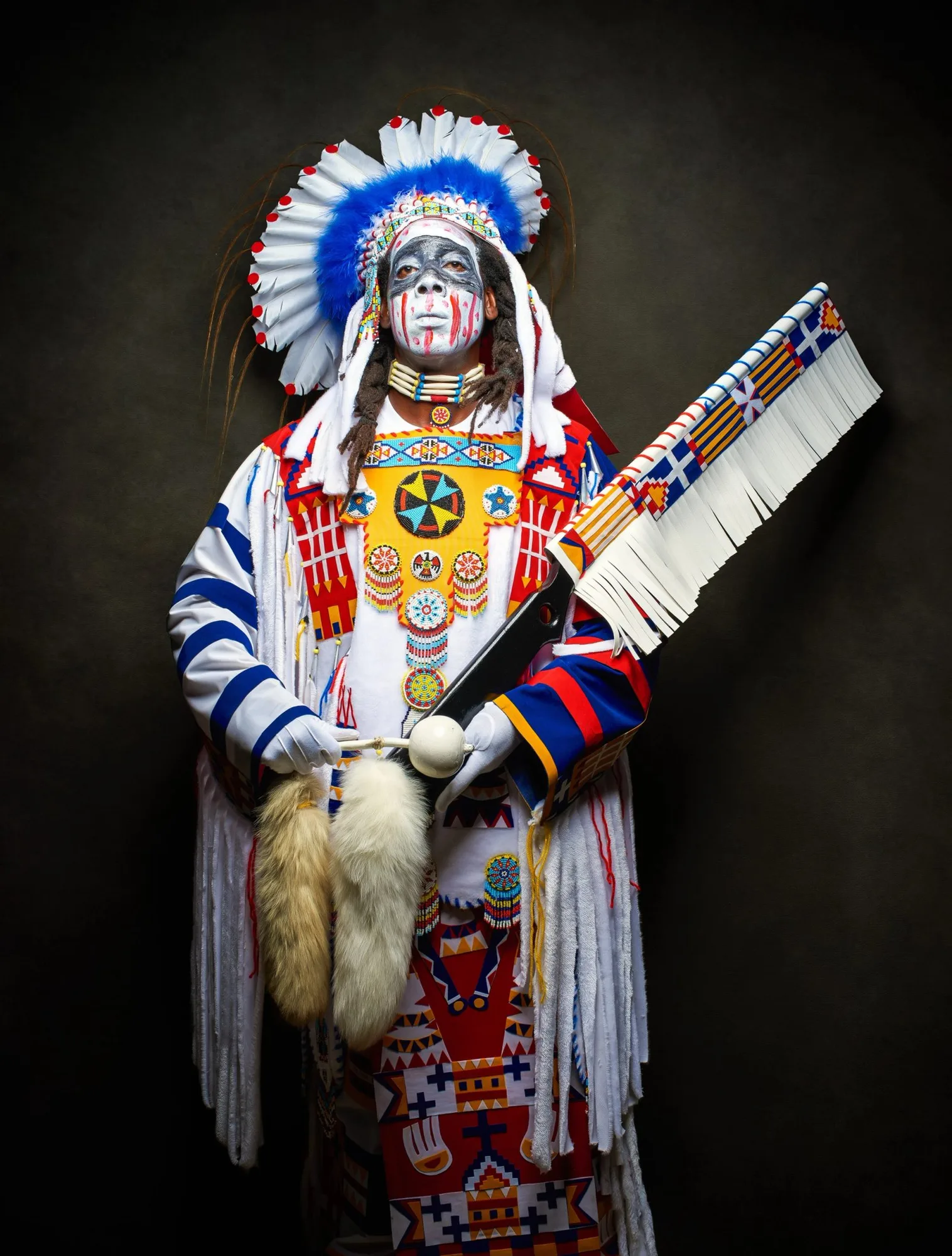 The Traditional Portrait · Adam Smith Square · 2019 · Pl. 06/13 · p. 352
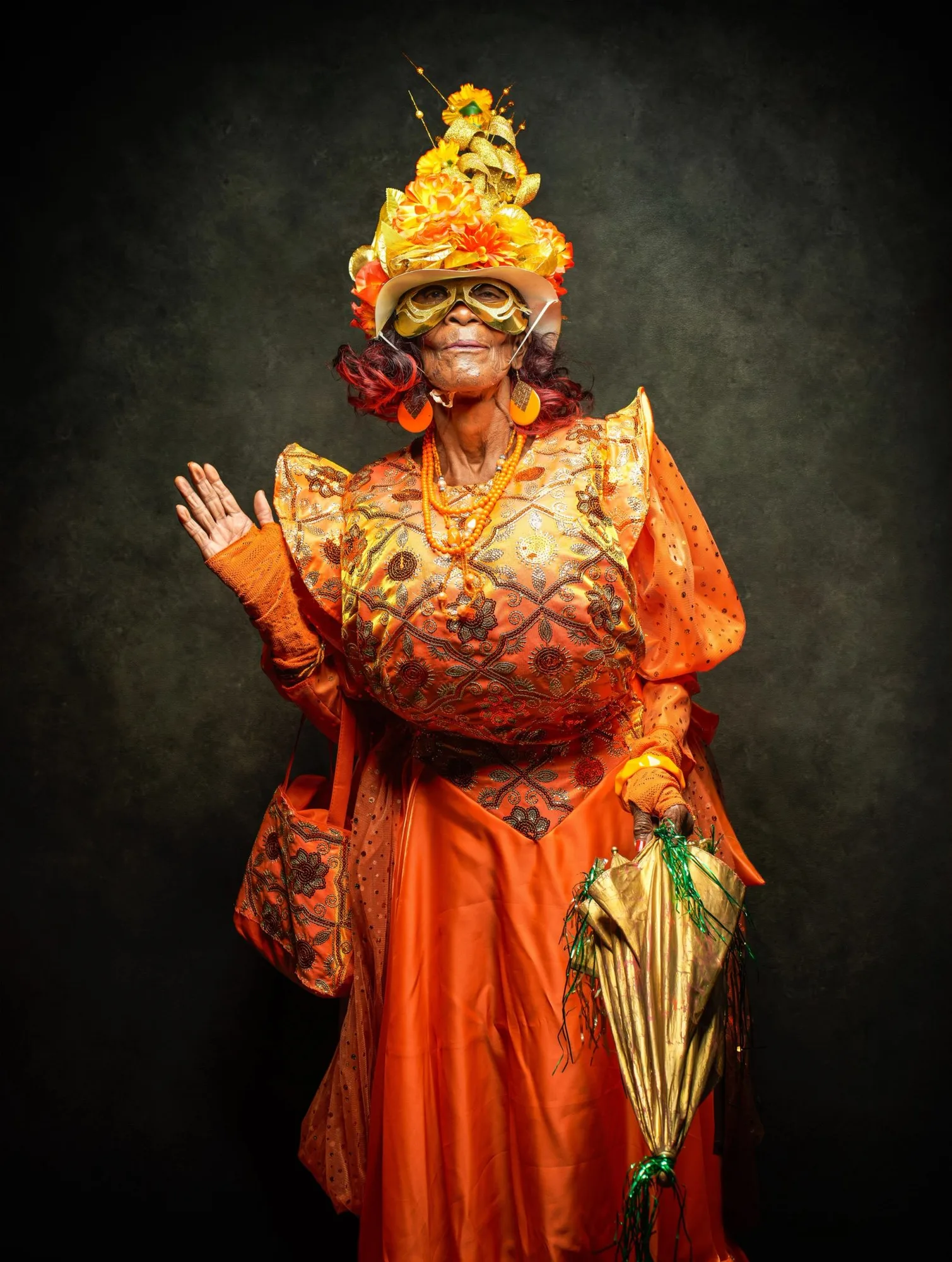 The Traditional Portrait · Adam Smith Square · 2019 · Pl. 07/13 · p. 353
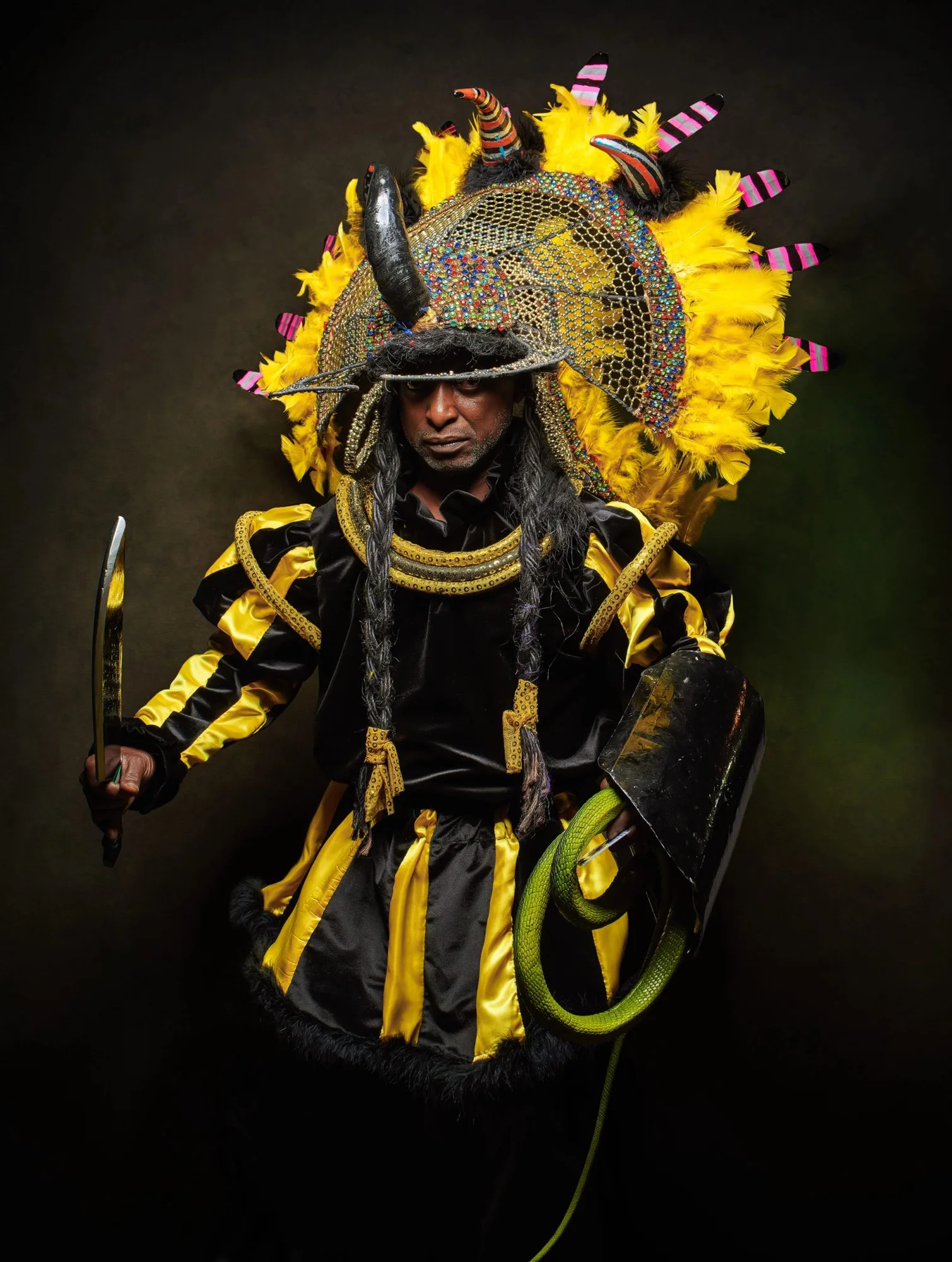 The Traditional Portrait · Adam Smith Square · 2019 · Pl. 08/13 · p. 354
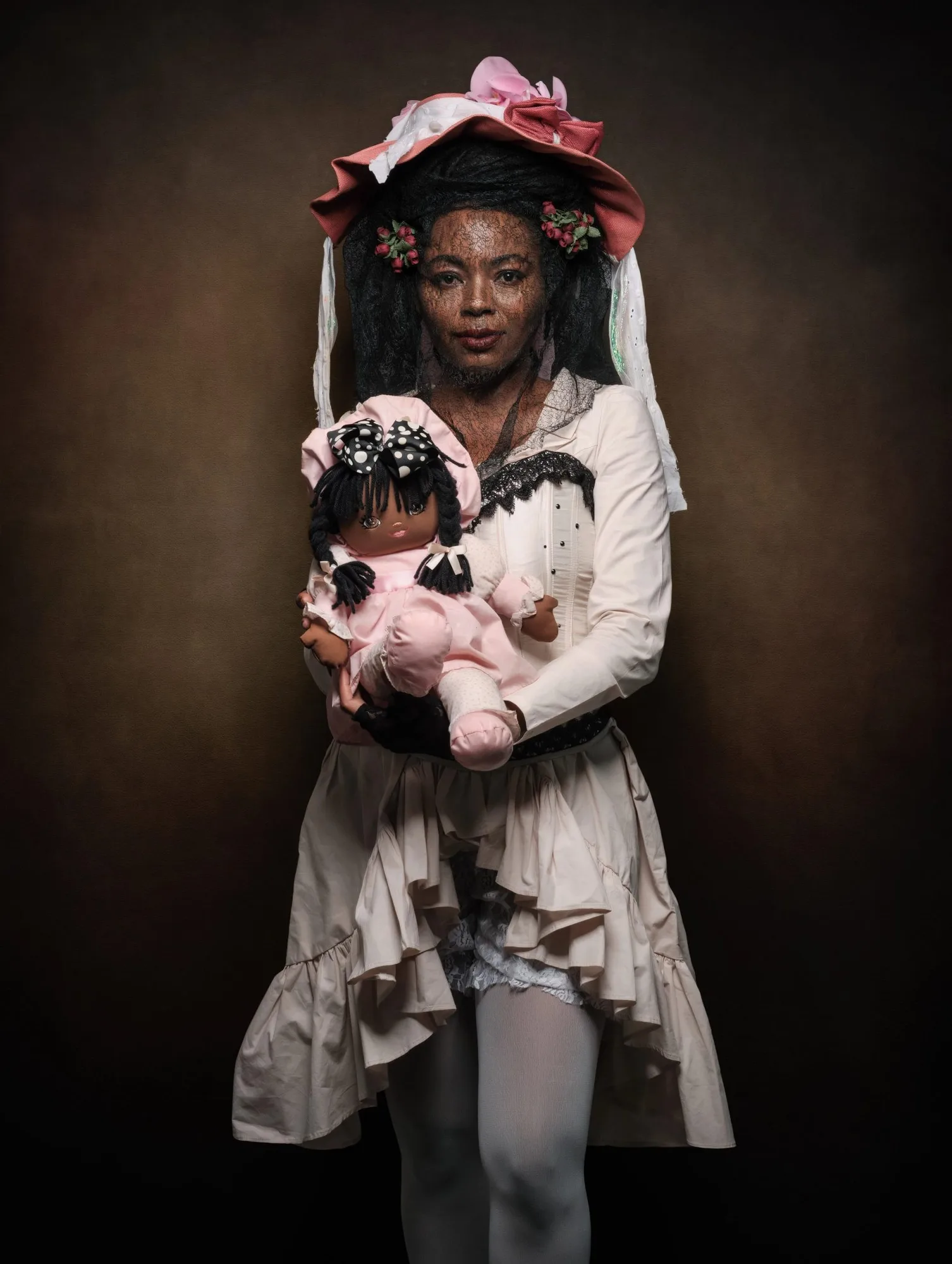 The Traditional Portrait · Adam Smith Square · 2019 · Pl. 09/13 · p. 355
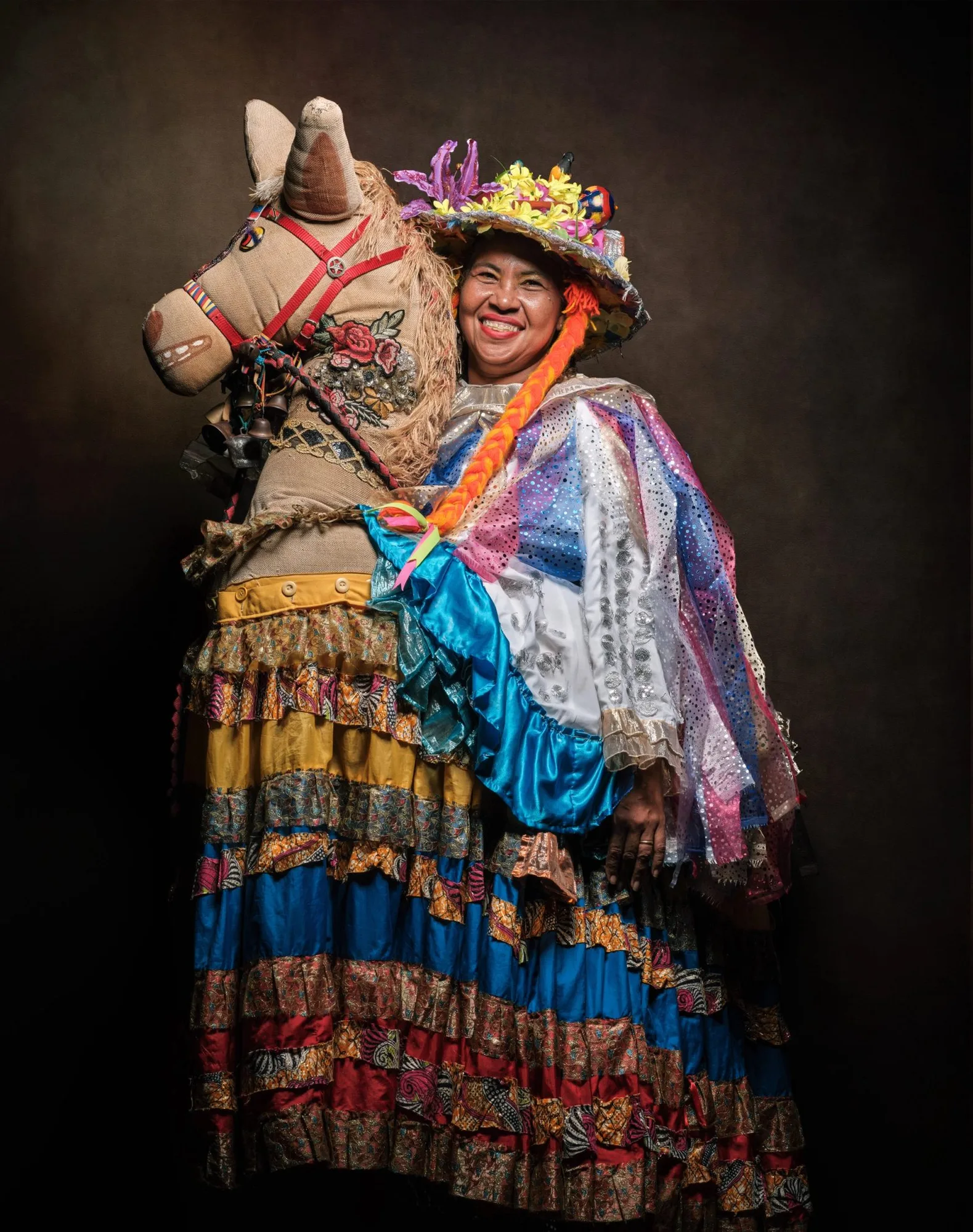 The Traditional Portrait · Adam Smith Square · 2019 · Pl. 10/13 · p. 356
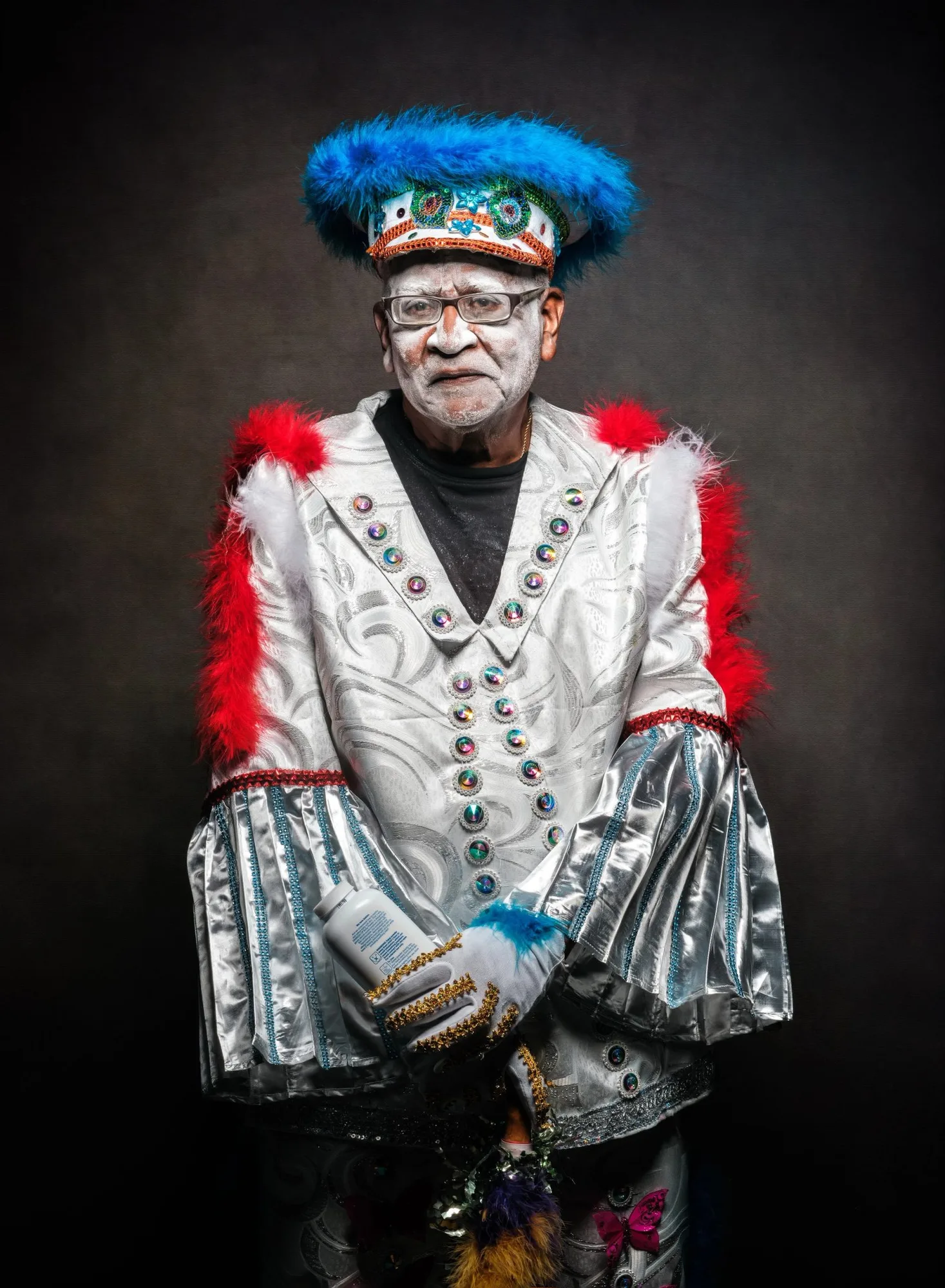 The Traditional Portrait · Adam Smith Square · 2019 · Pl. 11/13 · p. 357
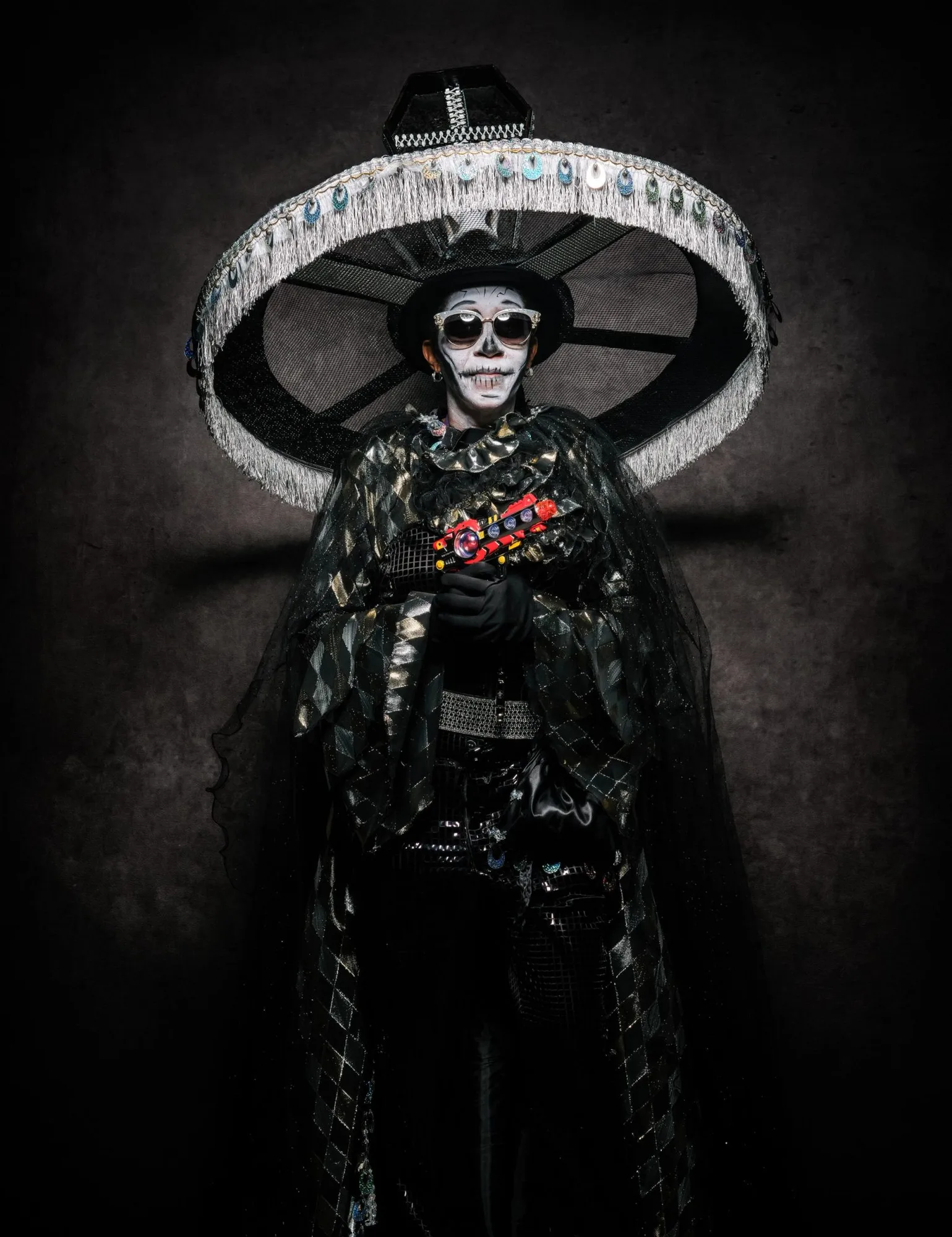 The Traditional Portrait · Adam Smith Square · 2019 · Pl. 12/13 · p. 358
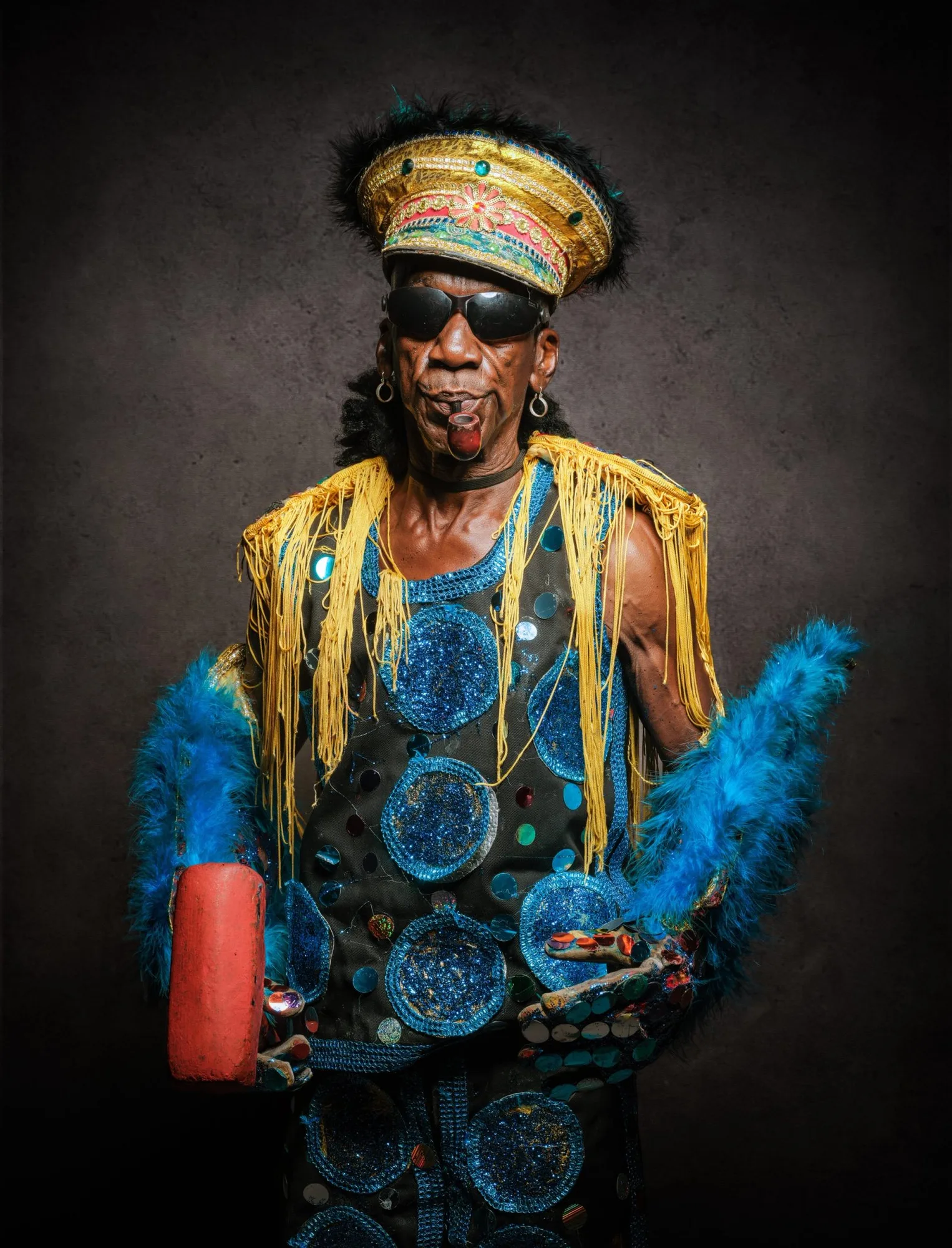 The Traditional Portrait · Adam Smith Square · 2019 · Pl. 13/13 · p. 359
Portraits of the portrayal: the stillness inside the costume, the knowledge inside the character.
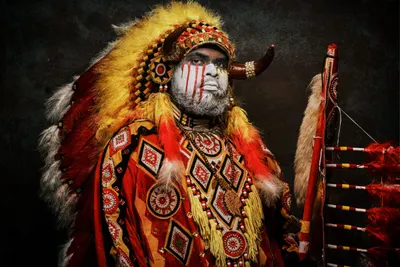
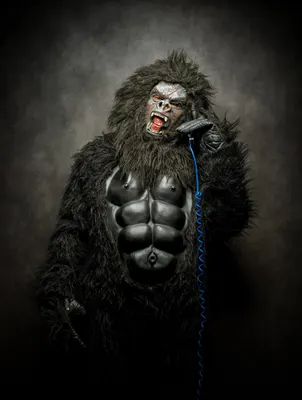
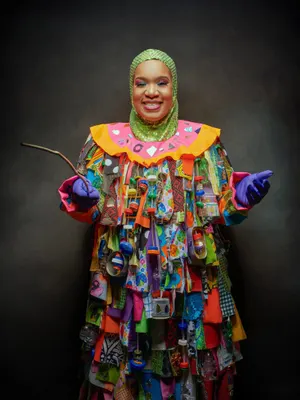
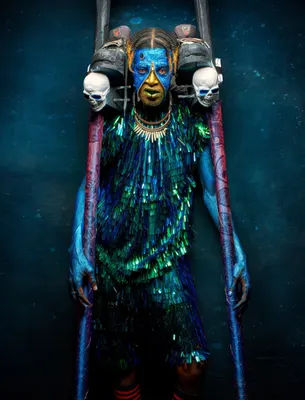
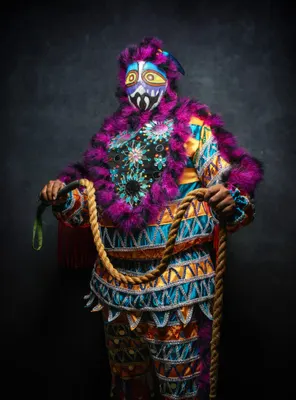
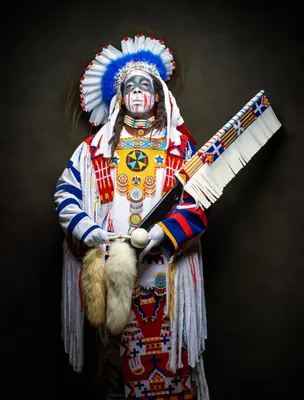
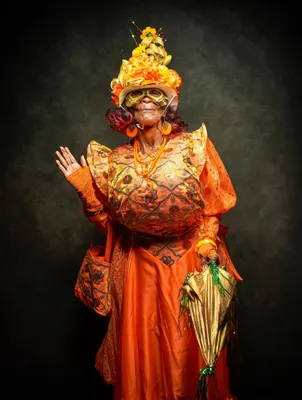
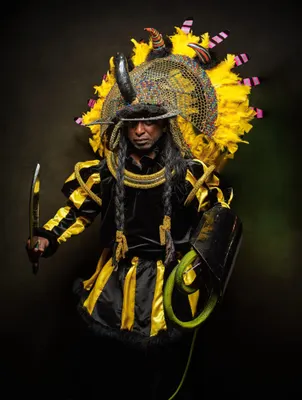
Carnival is the most public act in Trinidad. The mas is made to be seen loud, costumed, moving through the streets in front of thousands. And yet inside that spectacle is something else: a person who has chosen a character, who carries a tradition, who knows exactly what they are portraying and why.
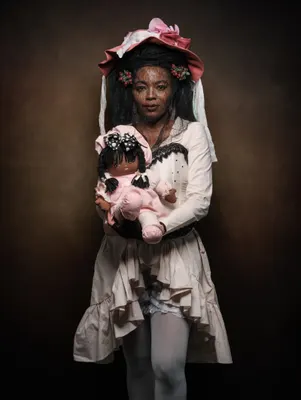
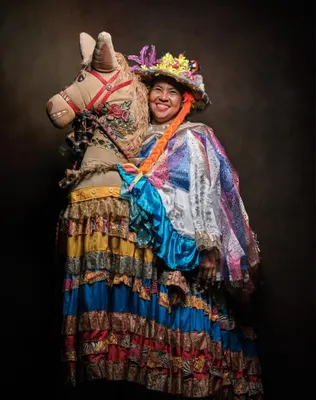
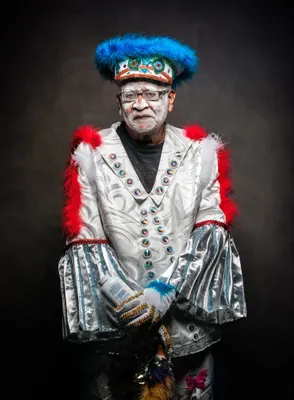
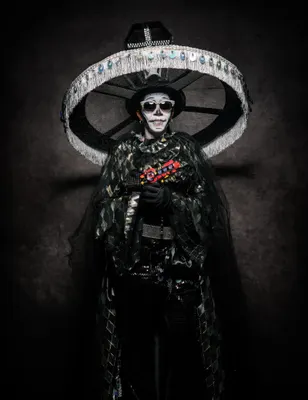
The Traditional Portrait is an ongoing series documenting traditional mas characters, Midnight Robber, Moko Jumbie, Dame Lorraine, Pierrot Grenade, Jab Jab, Black Indian, Fancy Indian, Borokeete, Baby Doll, Fireman, made in close collaboration with the masqueraders themselves. These are not documents of Carnival’s spectacle. They are portraits of the portrayal: the stillness inside the costume, the knowledge inside the character, the person who holds a living tradition in their hands.
Shot over multiple years in Trinidad, the work sits at the intersection of cultural documentation and portraiture claiming both, collapsing neither.