Kongo Dey
Kongo Dey · Toco · 20257 frames · No. 01
No. 01
Toco · 2025 · 7 plates
One day, one day, Kongo Tey.
Robert Young, cultural practitioner
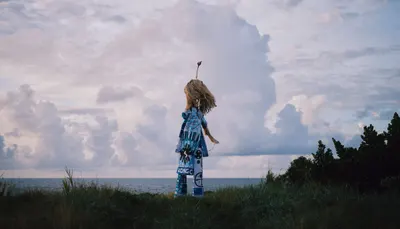
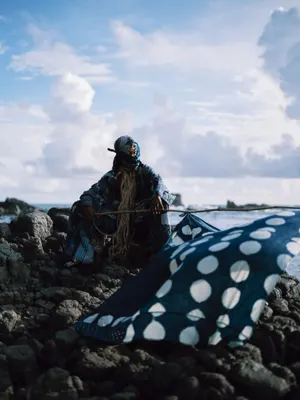
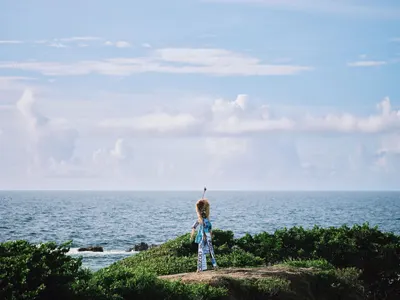
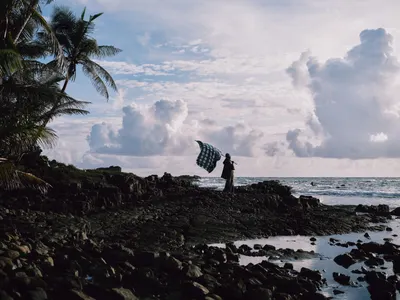
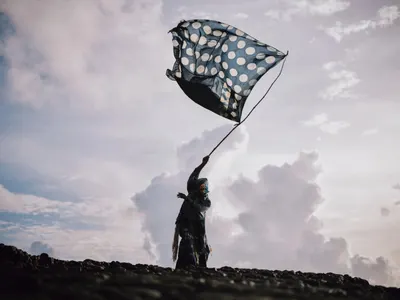
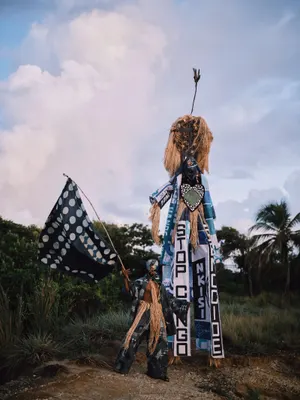
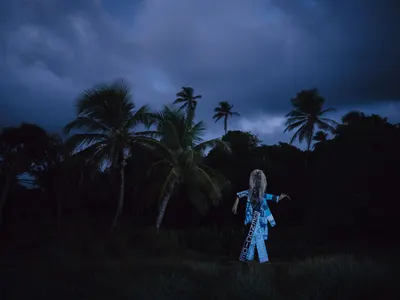
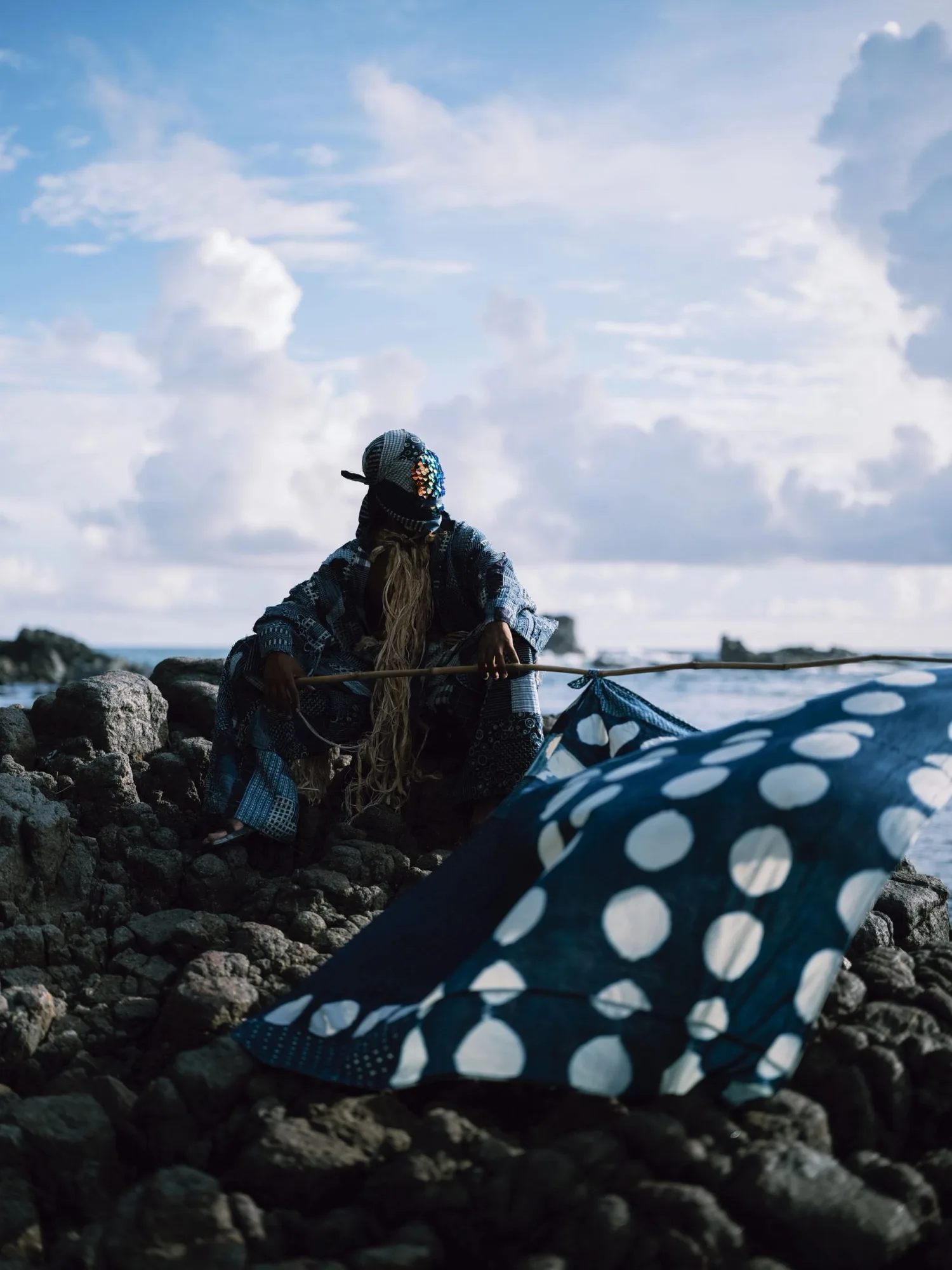
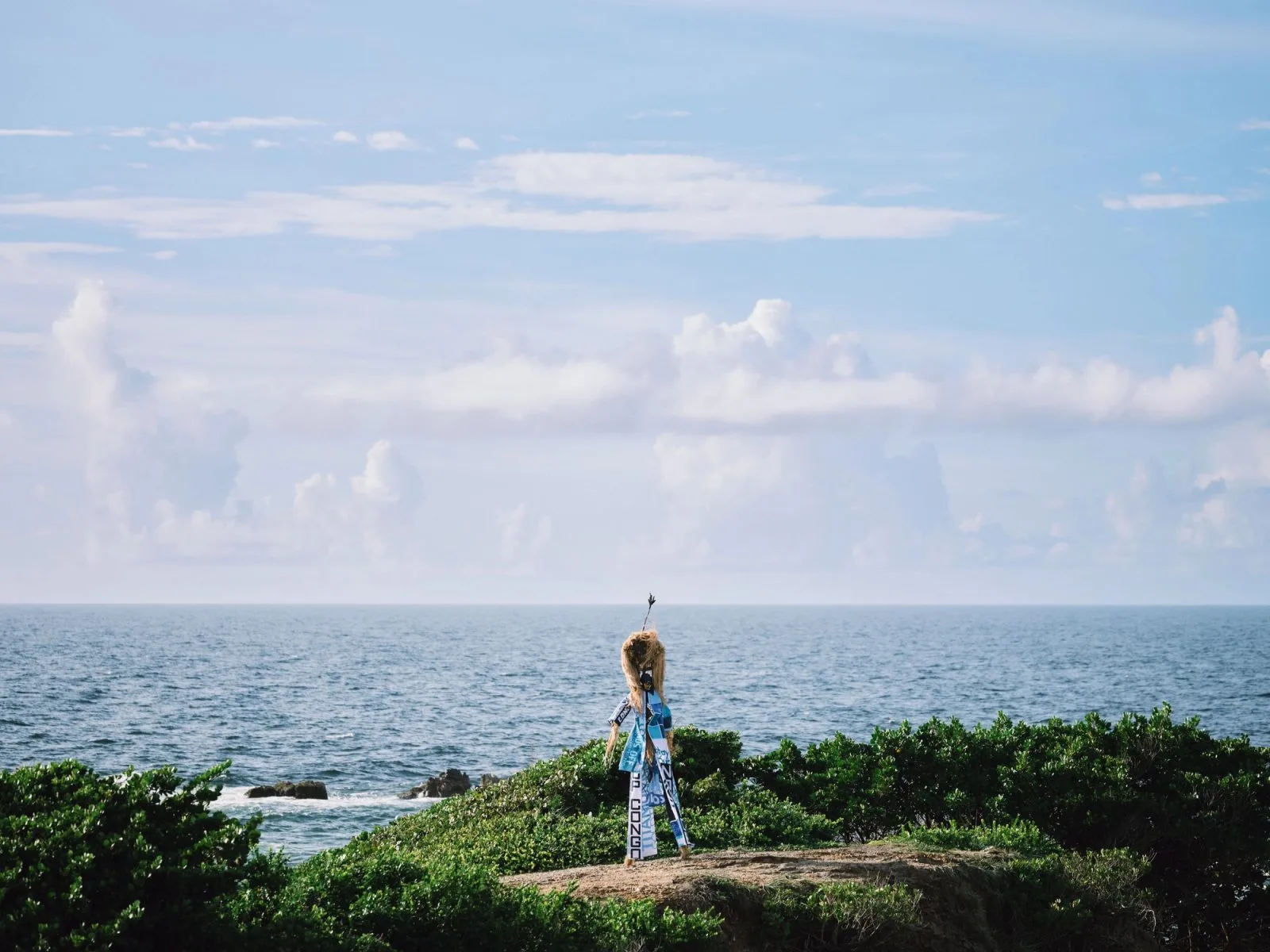
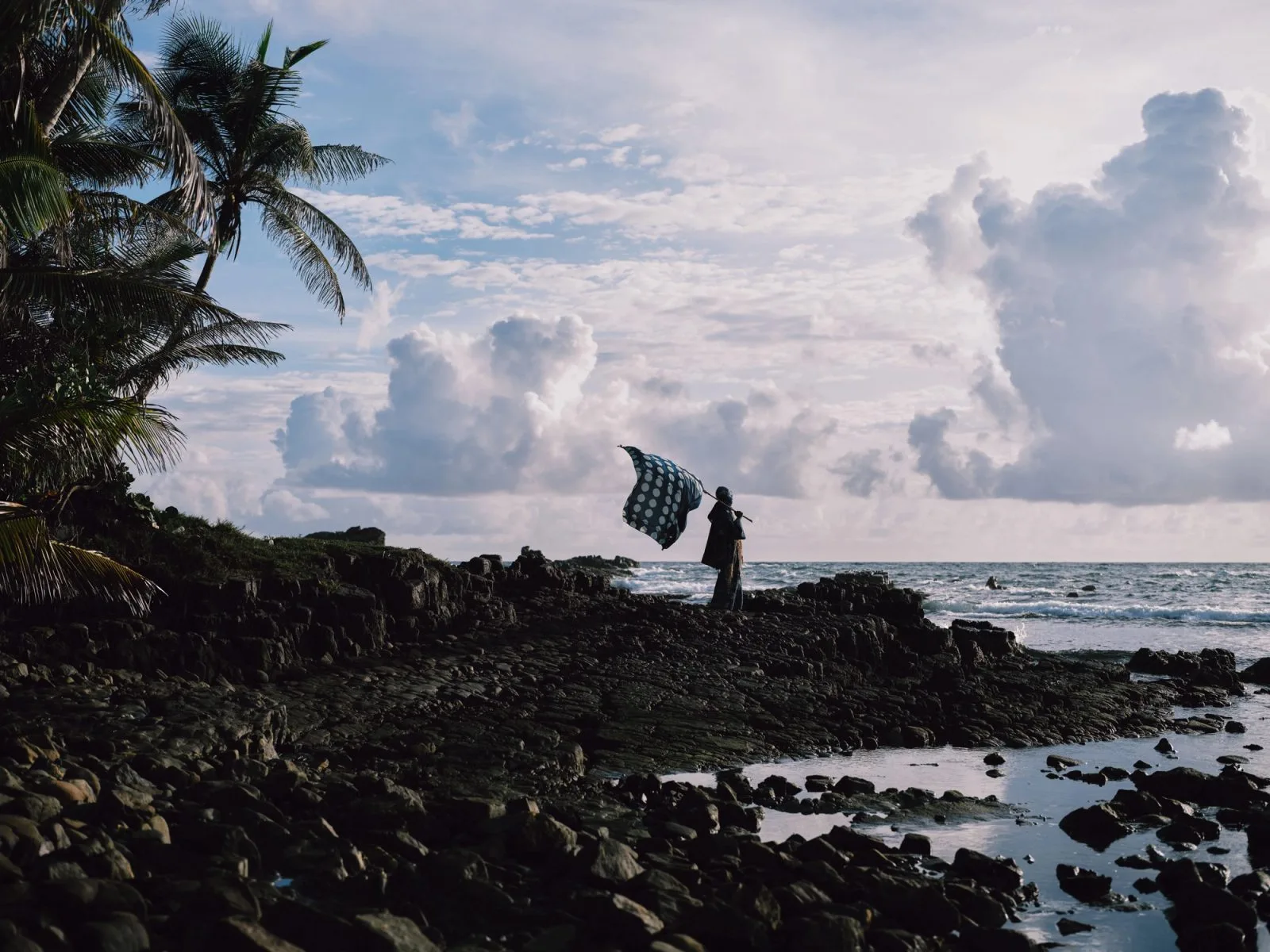
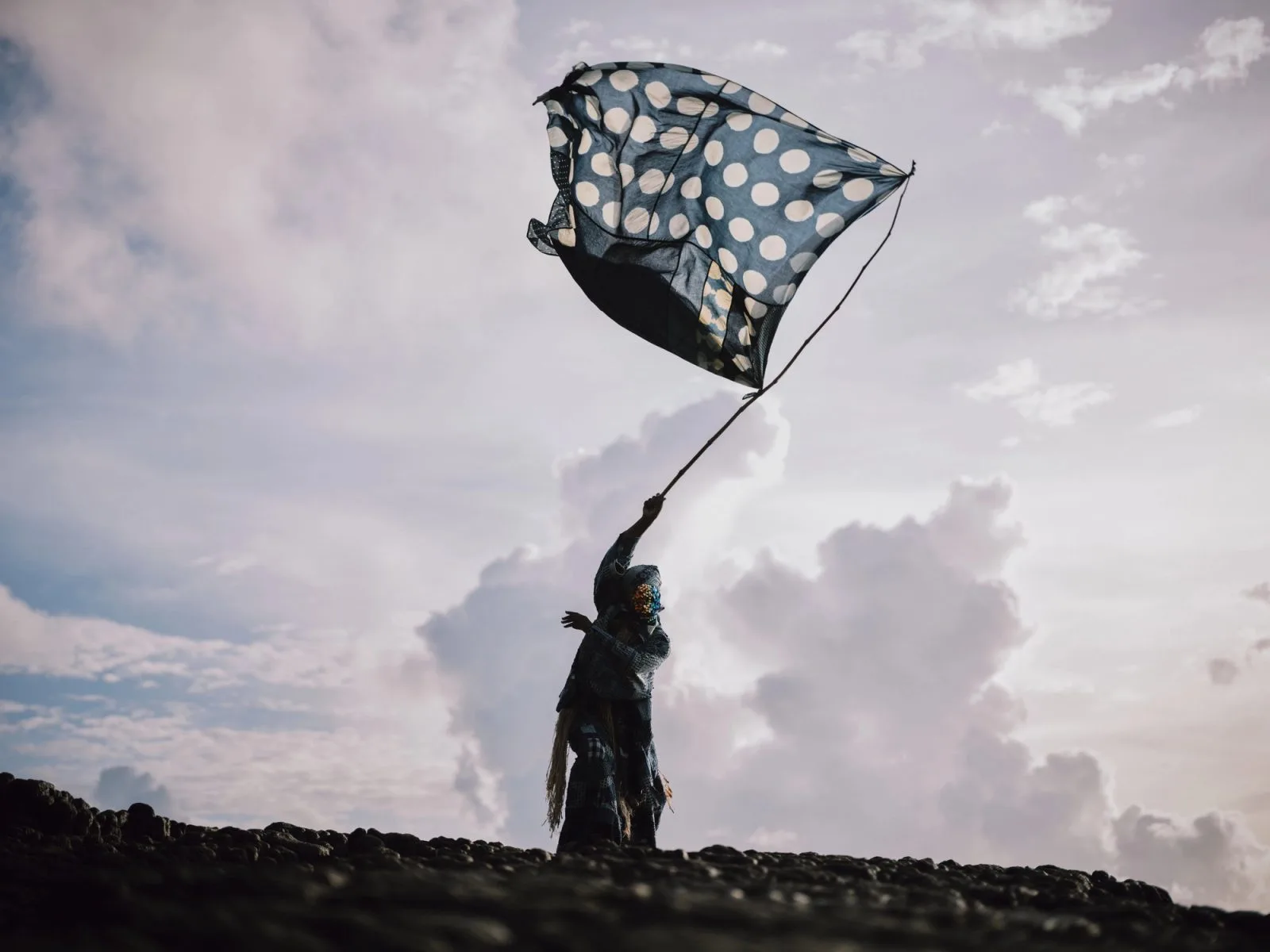
“Kongo Dey” explores the paradox of cultural presence that appears distant yet remains embedded in everyday Caribbean life. Through film and photography, this body of work makes visible the Kongo retentions that persist throughout Trinidad and Tobago: in language, movement, ritual, and philosophical understanding.
 Kongo Dey · Toco · 2025 · Pl. 01/07 · p. 5
 Kongo Dey · Toco · 2025 · Pl. 02/07 · p. 6
 Kongo Dey · Toco · 2025 · Pl. 03/07 · p. 7
 Kongo Dey · Toco · 2025 · Pl. 04/07 · p. 8
 Kongo Dey · Toco · 2025 · Pl. 05/07 · p. 9
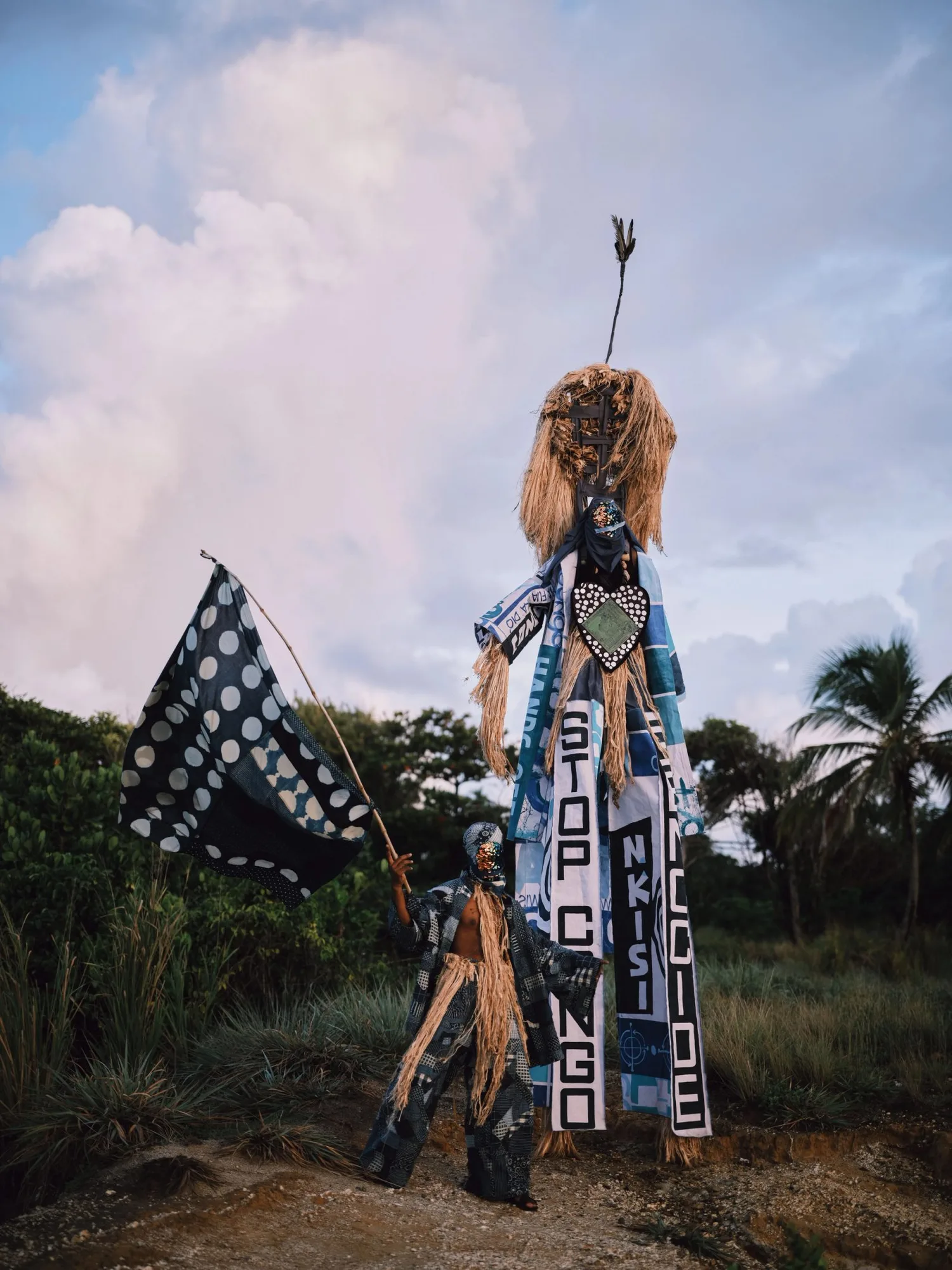 Kongo Dey · Toco · 2025 · Pl. 06/07 · p. 10
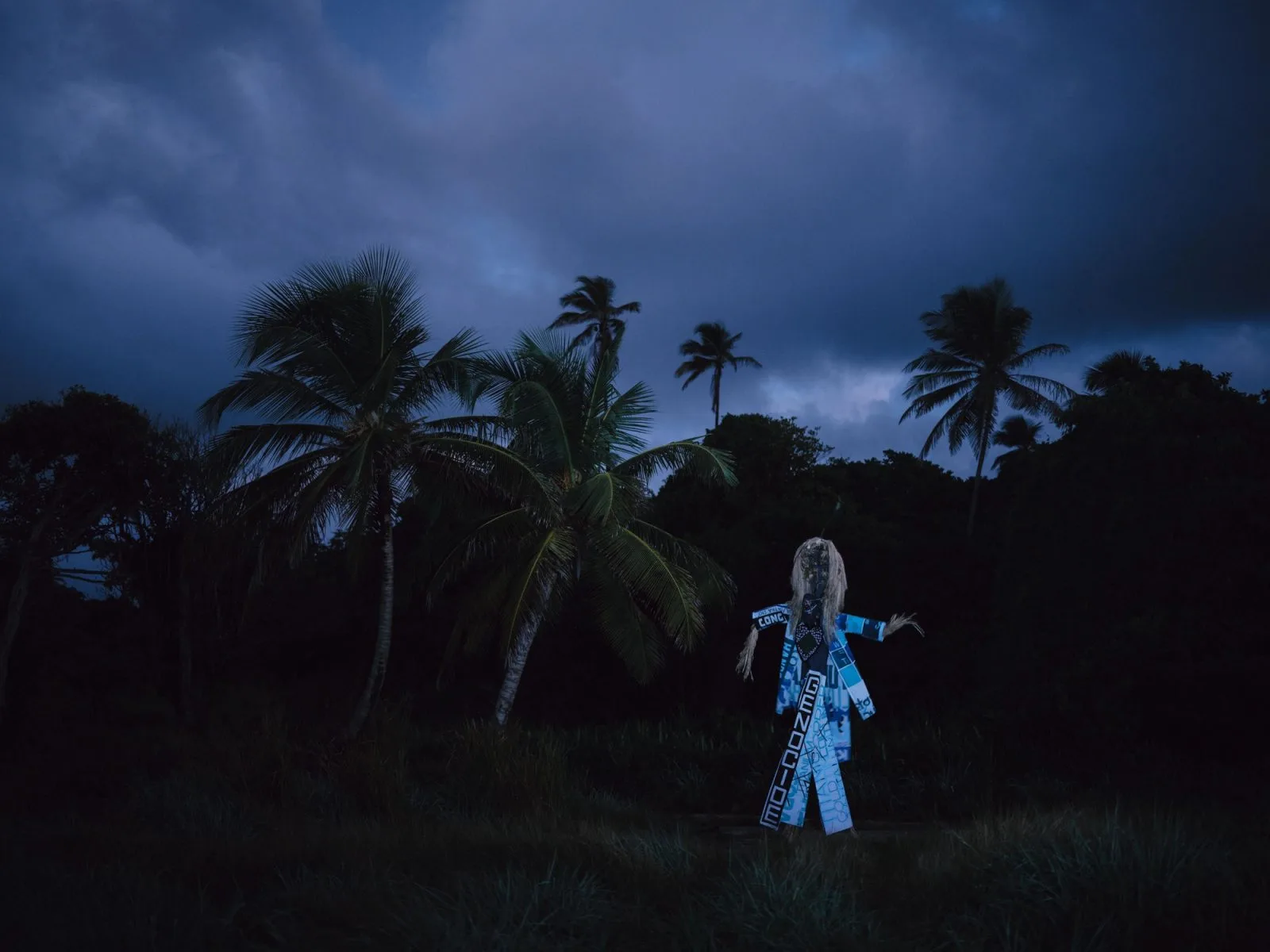 Kongo Dey · Toco · 2025 · Pl. 07/07 · p. 11
One day, one day, Kongo Tey.Robert Young, cultural practitioner
“Kongo Dey” explores the paradox of cultural presence that appears distant yet remains embedded in everyday Caribbean life. Through film and photography, this body of work makes visible the Kongo retentions that persist throughout Trinidad and Tobago: in language, movement, ritual, and philosophical understanding.
The project takes its name and its grounding from cultural practitioner and designer Robert Young, whose meditation on Kongo presence reframes a familiar Trinidadian proverb: “One day, one day, Kongo Tey.” Where the saying is commonly understood as a warning, a reckoning will come, Young recovers its deeper root: a Kongo philosophy of cyclical order, of death and rebirth, of a pendulum that restores balance over time.
As Young observes: Kongo is not over dey. It is here, in the pepper we eat, in the wining we do, in the rhymes we hold onto. It has been here as long as the region’s history of plantation economy and African chattel slavery, where a third of those forced into involuntary servitude came from the Kingdom of Kongo and the wider Central African region. It seems invisible, but it exists in plain sight.
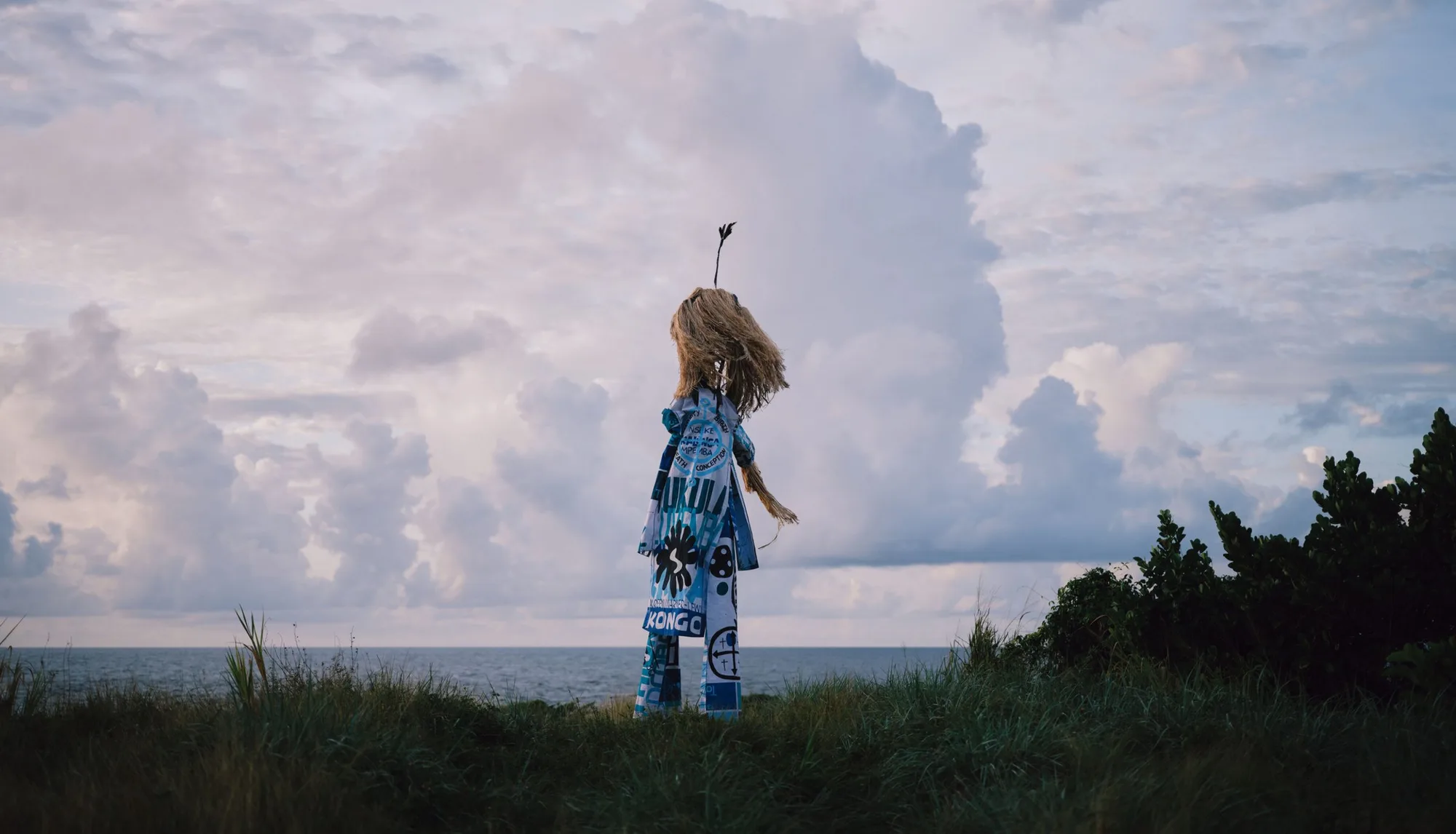
“Kongo Dey” documents this plain-sight inheritance: the retentions that live in the body, in the masquerade, in the everyday gestures that carry ancestral knowledge forward without announcement.